Music, Marketing & Merch: Christine Geronimo Explores it all
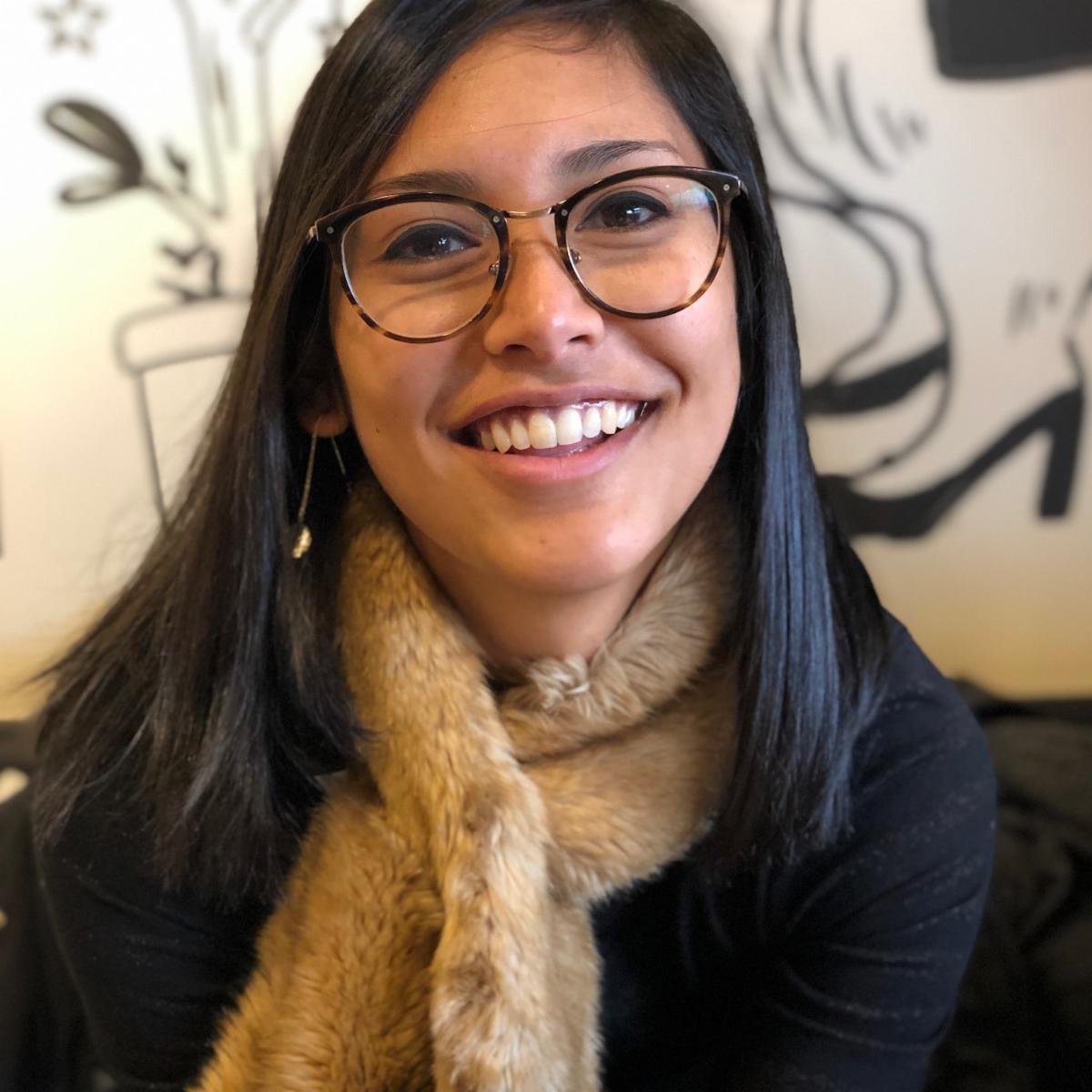
Christine Geronimo, owner of Midnight Supply Company, a FIlipina, woman-owned print shop
Christine Geronimo (she/her) is a grassroots marketer! Much of her work over the past decade has revolved around merchandise and the local music community, where she understands the importance of marketing through branded apparel and seeing the growth that it provides to independent artists. She is now the owner of Midnight Supply Company, a screen print shop based in South Park, Seattle.
From music management to producing videos to coordinating merchandise operations to now owning your own print shop, you've covered a lot of ground. Tell us about your journey in your own words and what's connected it all together for you.
Music has always been a passion of mine. In college, I jumped at any opportunity to work within the local music scene and ended up making some of the best relationships I’ve had in my life. Through these relationships, I’ve been able to work on producing music videos and live shows; merchandise ended up being what connected me to it all. I grew up listening to late 90’s/early 2000’s pop music and my first concert was NSYNC at Tacoma Dome in 1999. I remember buying a t-shirt and the feeling it gave me every time I put it on. I like to think that the product we produce now at the print shop can give someone else that same feeling.
So Midnight Supply CoMPANY is a printing company but you're not like every other print house. Talk about MSC and what makes you different.
MSC came from an already-existing print shop and has adapted significantly. We moved to a new facility in South Park and that has been a key factor in our growth as a team and company. What really sets us apart are our clients. We build relationships and an experience with our customers that they can’t get anywhere else.
How has being a younger woman of color impacted/Influenced your journey and approach to being a business owner — for better or worse?
I’m proud to be a WOC-owned print shop. The further I get into this industry, the more I realize that minority representation is rare. Although I have little control over that, I do have control over promoting diversity within my company and working to elevate our presence in the industry.
What's your take on diversity and equity in the creative industry and the business world, especially in Seattle?
I feel extremely lucky to have had the experience of working with a diverse group of creatives in this city throughout my career. I think that it has been fundamental to my identity in the community. When we only surround ourselves with people who are just like us, we’re unlikely to see flaws in our thinking. It may be nice to always agree on things, but your product will ultimately suffer because you leave out people whose experiences are different than yours.
You may not consider yourself a creative but you've worked alongside them all your career — some very accomplished ones at that. What advice do you have for creatives trying to succeed?
This is not a sprint, it’s a marathon.