Wenatchee’s Elaine Eagle on tuning in to her music career
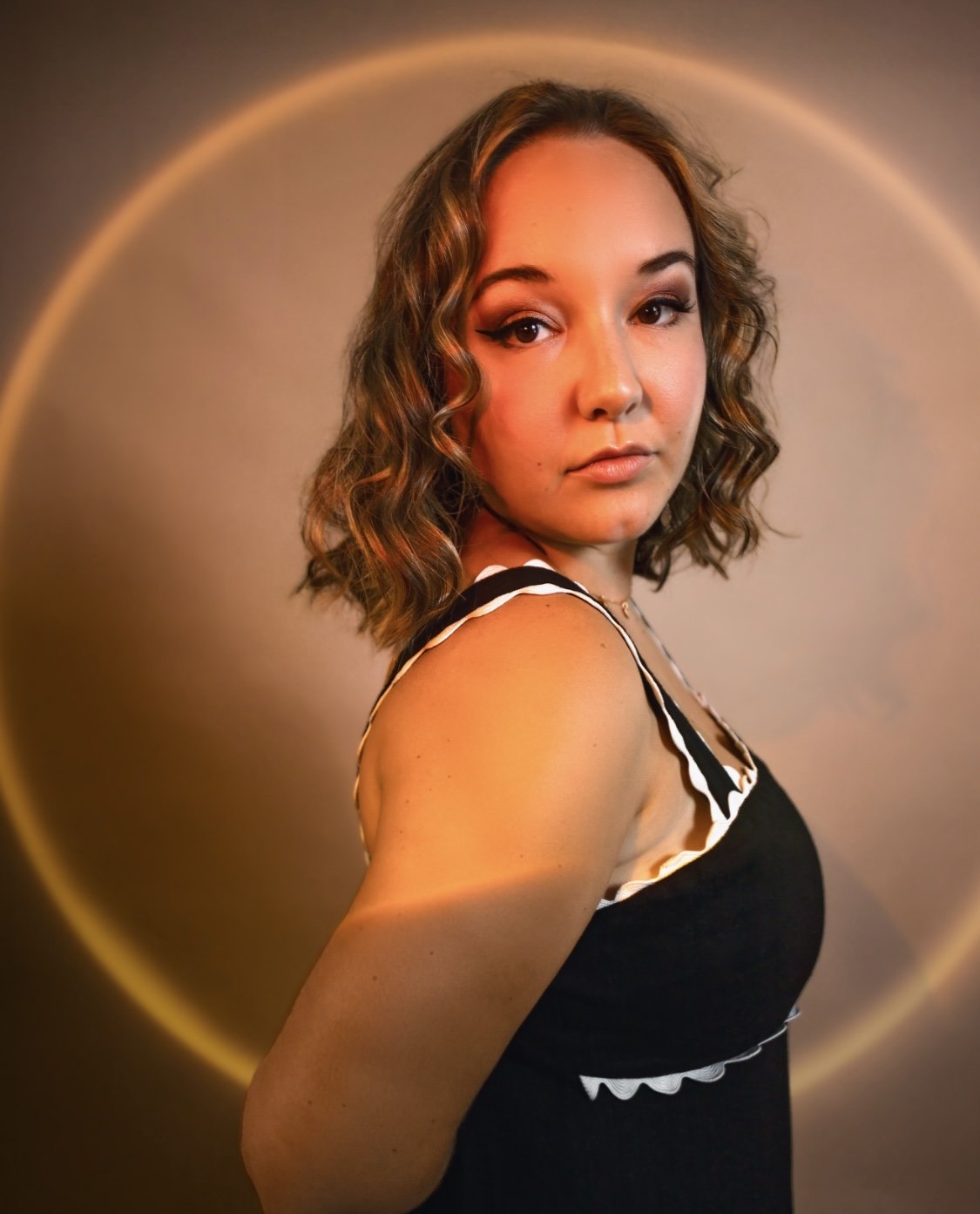
Photo Credit: Elaine Eagle
When Wenatchee’s Elaine Eagle exclaimed that the starving artist trope is bullsh*t, it was music to our ears! She’s a full-time musician, getting to do what she loves everyday, and *actually* likes the business side of her work. Elaine sat down to talk about how she manages business to-do’s with the hundreds of shows she performs each year, how she got to where she is, and why she is unapologetic about raising her rates every year. Don’t miss her take on how to source inspiration at the end—it’s a great way to get through the dreaded creative block.
You’re doing music full time. Can you tell us how you got there and how you made the decision to take that leap?
I’ve always loved music. I did it all throughout middle and high school. And, I was getting to that point where I needed to start making decisions about college and what I actually want to do. I knew I love to write and I knew I loved music and I was like, if I don’t do music, I think I’m going to be really unfulfilled in my life.
The decision to go full time with music, I would say it wasn’t even hardly a decision. I was playing half time on the weekend and then working part time doing other jobs. I was teaching piano lessons and working at our local radio. So, it was just kind of a hob knob of a lot of different things, but I always wanted full time playing to be the core. So, you know, just say yes to every opportunity.
I would also hustle. I was a receptionist and I’d just sit there and wait for people. During that time, I would look up who does live music and just send out emails - “this is what I do, this is what I play. Here’s some video” or whatever. And, once I started making those relationships with venues, then they want to book you a few times a year, and then these other venues want to give you a few times a year and that adds up really quickly. I started doing music really full, full time in 2022, 2023 or something like that. And, now my schedule is usually playing 4 or 5 nights and I rehearse at least one night a week, if not more, with the bands I’m involved in.
You played almost 200 shows last year, which is incredible. And a lot! What tools do you use to keep yourself organized?
I’m a big visual person, so I have to write everything out. I utilize my calendar apps a lot. My notes, my reminders. I’ve tried to do stuff by hand, but it doesn’t work for me. So, pretty much everything is on my phone. I like to color code things a lot. On my calendar, I have all my gigs in a certain color.
And, how do you balance all that with the accounting side, paying taxes, things like that?
I try my best, but it’s not perfect all the time. I usually try to take a day or a couple of days to do accounting, seeing what the take was for the month. And then, what was the actual payment versus tips, counting up the mileage on my car, and eating on the way to shows. Or things I can write off as business expenses. I’ll come here (Mela Coffee Roasting Co), bring my computer and I tell myself, “for the next two hours, we’re responding to emails, we’re reaching out to people, we’re going to work on our taxes. We’re going to get all the admin stuff done!”
And, that feels good. It feels kind of like cleaning my brain. I think as a creative, sometimes when you put those things off, that’s not good. Because then, for me, I feel proud—I have a business and I’m able to do this. And, it’s a blessing to be able to do my taxes for music, you know what I mean? So, I try to be grateful for it, even when it’s annoying.
What percentage do you put away for taxes?
I would say like 20% or so. Sometimes I will do that quarterly or I’ll look at the three months and what are my totals. So let’s take 20% of each of those and then I put that away. Sometimes I do that in cash just because I like to physically see it and be like, this is for your taxes—then it feels more real rather than it sitting in my account.
How do you decide what to charge for your services?
For me, I raise my rates every year. My rates depend on my experience level, which is always growing. I raised it quite a bit after I got my degree, I think it bumps me up. Now, I work internationally and play for a large company. I think that raises my sellability.
What is your definition of success for yourself?
I think for a lot of people, there’s this kind of stigma that if you’re not in Nashville, LA or New York, good luck making any money as a musician. I think the public’s perception of being a successful musician is you have all these number one songs and you’re doing these huge tours and these really amazing, huge things. That is bullsh*t, such bullsh*t.
For me, I get to play music and pay my bills and don’t have to do anything else. That is successful! I’m happy with that. I’m always striving for more. I want to do different things, but I am happy with that. I’m very successful in my own mind. I think that’s what really matters, is if you think that you’re successful.
My long-term career goal is to get signed to a publishing company. I really would love to be a paid songwriter. That’s my degree, I have a Bachelor’s in songwriting from Berklee. It’s so fulfilling. I love to perform and I think I will continue to perform always. But, it’s just a lot to be on all the time. I’m a pretty introverted person, so the performing job, I love it, I wouldn’t trade it. But, I have to take a lot of time to do nothing and be home and nobody talks to me.
Okay, last question. How do you cultivate inspiration when you need it?
One of my favorite quotes that I think about a lot is that writing is exhaling and reading is inhaling. You have to be fulfilled in order to pour out. For me as a writer, it’s seasonal, there is a season where I’m writing a lot and I’m constantly doing the voice notes or like “oh, this is a good line.” And then, there are seasons where it’s nothing and I’m just taking in or just feeling and doing something about that later.
You have to do both. You have to bring in the inspiration and also then output. For me, reading is a big one, especially poetry. Also, I go to open mics and not play. I want to just sit and listen. I want to just be with other people who appreciate the art. Sitting in the audience, hearing everyone else either play or sing or read. It’s so refreshing.